Protectionism - Germany
Luke Kirchner
Dr. Quillin
IB Econ
10 December 2021
what am i doing
Germany has imposed new tariffs on cars, particularly because of the pandemic. Because Germany is the largest car exporter in the world, you would think the demand for car imports in Germany is not that high. However, Germany was the 2nd highest importer of cars, with the total amount coming in at $75 Billion. In 2019, the average tariff for cars was 3.62%.
In 2020 however, the tariffs were raised to 4.3%. The effect on the consumer is substantial because it raises the price tag of the automobiles. They will then flock to the lower prices or domestic options, but could cause trouble. Now the surplus is down and they would be keeping their money or facing the higher prices.
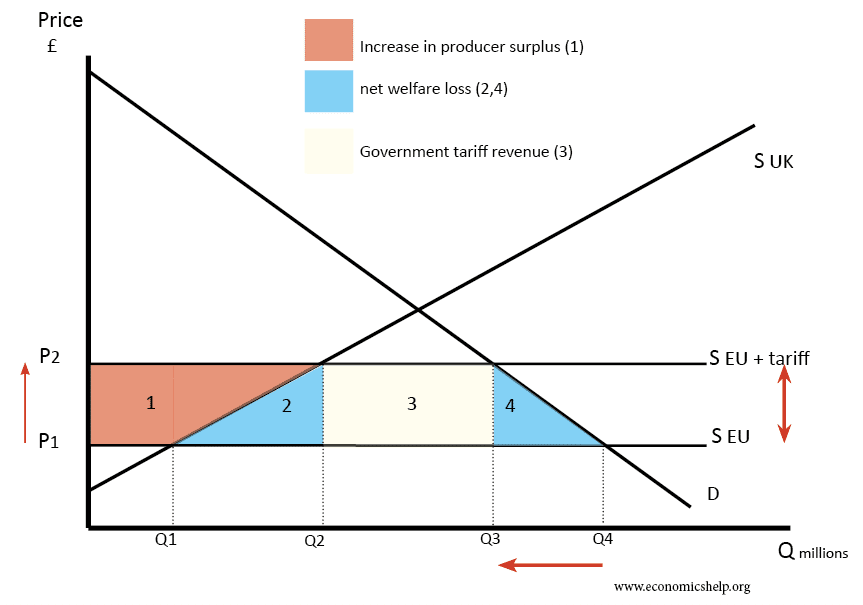
DOMESTIC PRODUCERS: In theory, the domestic car produces would benefit by this by increasing production to Q3. There is a catch however. Tariffs were also imposed for auto parts, which in turn can effect the export industry for the cars in Germany. Because Germany has such a high output for cars, the global market will surely be effected with any hiccups that this causes.
I am confused as to why this tariff has increased, because if the government wanted to increase local car production, why would they impose a tariff on auto parts? COVID-19 had a substantial impact on the car industry, which is why there is not a lot of new data for 2021. There is a reported decrease of 17.2% of total car exports, which is either from the pandemic or the tariffs.
https://oec.world/en/profile/bilateral-product/cars/reporter/deu
https://www.destatis.de/EN/Press/2021/11/PE21_540_51.html
https://www.nytimes.com/2018/12/04/business/german-carmakers-trump-tariffs.html

You raise an interesting question. I agree that this must have not been intended to protect domestic auto producers. Also, BTW, domestic production would increase to Q2, not Q3.
ReplyDelete